
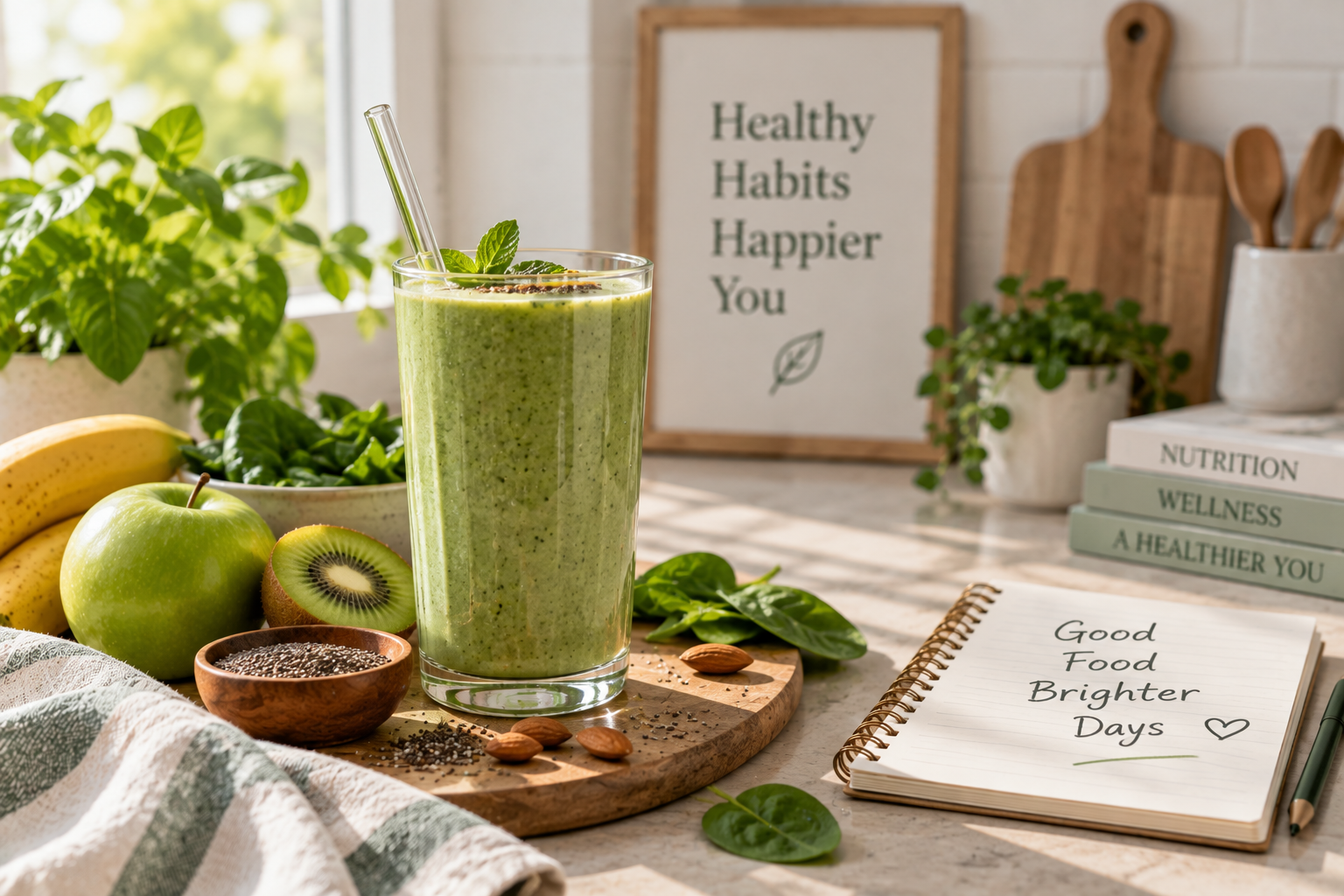
A GLP-1 diet plan focuses on choosing foods that support balanced nutrition while making meals easier to tolerate during GLP-1 treatment.
What Is a GLP-1 Diet?
A GLP-1 diet is not a specific medical diet. It generally means choosing nutrient-dense foods and eating in a way that may be easier to manage when appetite and digestion change during GLP-1 treatment.
Why Diet Still Matters During GLP-1 Treatment
Medication is only one part of a weight management plan. Food choices can help you maintain adequate nutrition, support energy levels and make it easier to build sustainable eating habits.
Foods to Focus On in a GLP-1 Diet Plan
1. Lean protein at every meal
Protein-rich foods can help make meals more satisfying. Options include eggs, poultry, fish, Greek yogurt, cottage cheese, beans and other protein-rich foods.
2. Vegetables and fiber-rich foods
Vegetables, fruits, whole grains and legumes can provide fiber and important nutrients. If your digestion is sensitive, increase fiber gradually and pay attention to how your body responds.
3. Healthy fats in small amounts
Foods such as avocado, nuts, seeds and olive oil provide healthy fats. Because high-fat meals may be harder for some people to tolerate, smaller portions may be more comfortable.
4. Plenty of fluids
Staying hydrated is important. Water and other low-calorie fluids can help support normal hydration throughout the day.
Foods to Limit on a GLP-1 Diet
Some foods may be harder to tolerate or can make it more difficult to maintain balanced eating habits. These can include very large meals, heavily fried foods, highly processed foods and foods or drinks with a lot of added sugar.
A Simple Sample GLP-1 Diet Plan (One Day)
- Breakfast: Greek yogurt with berries and a small portion of oats.
- Lunch: Grilled chicken with vegetables and a whole-grain side.
- Snack: Fruit with a small serving of nuts.
- Dinner: Baked fish, cooked vegetables and a moderate serving of whole grains.
- Drinks: Water throughout the day.
Practical Eating Tips for a GLP-1 Diet Plan
- Eat smaller portions if large meals feel uncomfortable.
- Eat slowly and give yourself time to notice fullness.
- Prioritize protein and nutrient-dense foods.
- Keep fluids available throughout the day.
- Track foods that seem to trigger digestive discomfort.
Food Tips for Common Digestive Discomfort
Some people experience digestive symptoms during GLP-1 treatment. Smaller meals, slower eating and adequate fluids may be useful strategies. If symptoms are persistent, severe or concerning, discuss them with your healthcare provider.
Which GLP-1 Is Best for Weight Loss? A Question for Your Healthcare Provider
There is no single option that is right for everyone. A healthcare provider can consider your medical history, goals, current medications and other factors when discussing treatment options.
What to Look for in Weight Loss Programs
When comparing online weight loss programs, look at provider access, eligibility requirements, pricing, follow-up care, medication policies and the level of ongoing support provided.
The Bottom Line
A practical GLP-1 diet plan emphasizes balanced nutrition, adequate protein, vegetables, appropriate portions and hydration. Individual needs can vary, so discuss significant dietary or treatment changes with a qualified healthcare professional.